Skip to content


Vi-LiDAR ( Volume Measurement Solution )
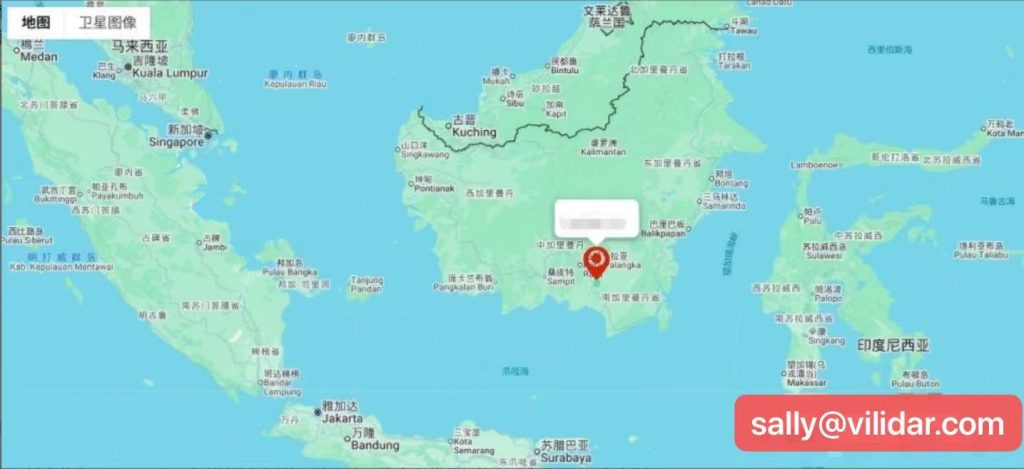
Ⅰ. Indonesia Palm Oil Plantation Laterite Transport Project
An Indonesian agricultural group company, primarily engaged in palm tree cultivation and palm oil pressing, has planned a palm plantation spanning 4.21 square kilometers. With an annual processing capacity of 1 million tons of palm fruit and a yearly output of nearly 200,000 tons of palm oil, the plantation employs over 11,000 workers. To optimize road infrastructure for more efficient palm tree planting, maintenance, fruit picking, and transport, the company requires large-scale procurement of laterite from external sources. What is the LiDAR Truck Volume Measurement System used for?
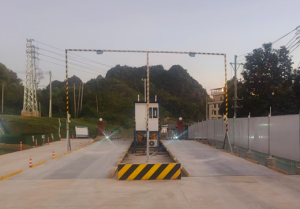
By leveraging a truck volume measurement system, he plantation has established measurement checkpoints at six critical locations across the site. The system enables accurate laterite volume measurement and provides consistent delivery records, helping improve transportation management throughout the plantation.
Vi-LiDAR ( Installed LiDAR sensor )
Ⅱ. How the LiDAR Truck Volume Measurement System Works
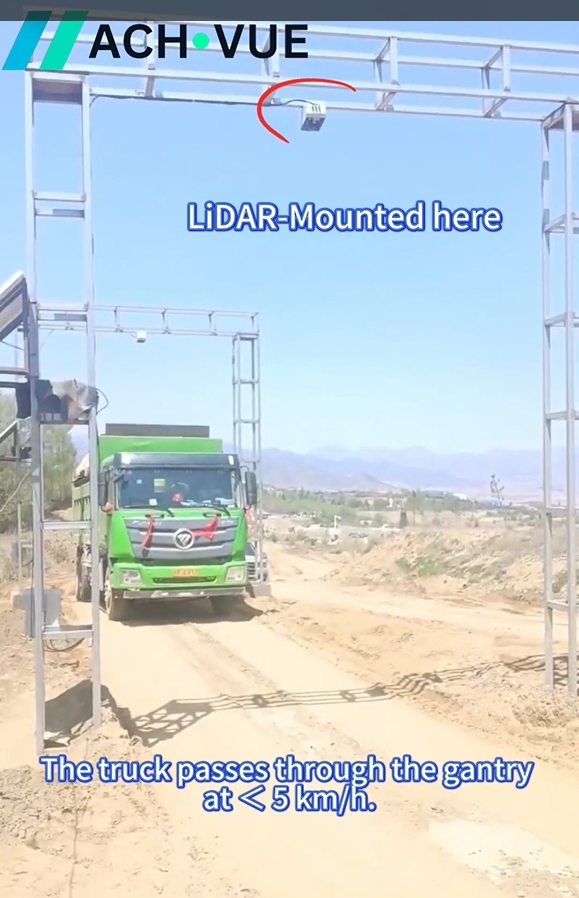
Radar-based volume measurement channels are installed at key points in the plantation. The gantry installation scheme is selected according to terrain conditions. When trucks loaded with laterite enter the plantation, they slow down to below 5 km/h before entering the measurement channel.
The RFID system detects the vehicle and automatically identifies the license plate. A camera is triggered to capture images and record a video of the vehicle passing through the channel. The radar then scans the truck to obtain point cloud data, which is sent to an algorithm box for computation to calculate the loaded volume.
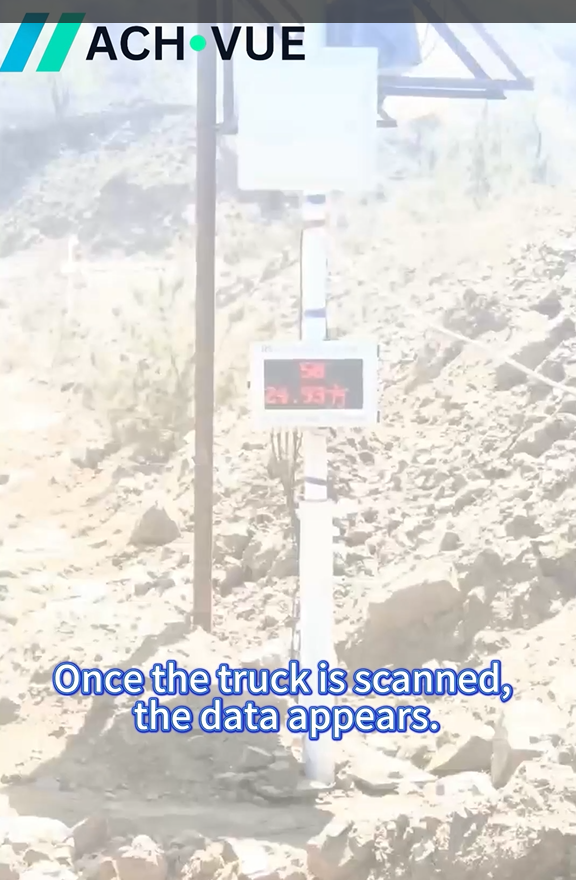
The measurement results, including the date, license plate number, and volume, are immediately displayed on a large screen in front of the channel.
Vi-LiDAR : (3D scanning)
Ⅲ. Data Uploaded to Cloud Platform, Fully Restoring Measurement Scenes
The truck volume measurement system is deployed locally overseas to ensure fast system access. As trucks slowly pass through the volume measurement channel, the intelligent system starts automatically, completing measurements within 10 seconds, covering data collection, algorithm execution, result output, and real-time upload of on-site monitoring data to the cloud platform.
Through the cloud platform, users can access measurement records for each mining truck, including measurement time, license plate number, loaded volume, images, videos, and point cloud data. By integrating vehicle identification with LiDAR volume measurement, the system helps operators track laterite deliveries across multiple checkpoints and maintain reliable, traceable transportation records.
The system also automatically records truck trips and measured volumes, providing a reliable basis for managing laterite transportation and calculating transportation fees across the plantation.
_________________________________________________________________
Ⅳ.Operational Advantages and Application Scenarios
The system’s greatest breakthrough lies in achieving accurate volume measurement without stopping trucks. Vehicles only need to pass through the measurement channel at a constant speed of below 5 km/h, and the entire automated volume detection process is completed once the truck passes through. Compared to traditional manual measurement, efficiency has increased by more than 20 times.
In practical operations, the system can seamlessly integrate with weighbridge systems to form a “weight-volume” dual-verification mechanism, effectively preventing various cheating behaviors during transportation (e.g., overloading, underreporting volume).
Typical Application Scenarios:
- Sand and Gravel Yard Inbound/Outbound Management: Enables automated supervision of the entire process from “loading-transport-unloading”, ensuring accurate inventory tracking and reducing manual errors.
- Waste Transfer Metering: Accurately counts the volume of various types of waste (e.g., household waste, construction debris) to provide reliable data support for environmental fee collection.
- Port Container Transport: Quickly verifies the loading status of goods inside containers, ensuring compliance with port regulations and improving customs clearance efficiency.
- Building Materials Logistics Control: Conducts precise volume measurement for bulk building materials such as cement and steel, optimizing supply chain management and reducing logistics costs.
The system’s backend management platform offers rich statistical analysis functions, including real-time monitoring dashboards, automatic generation of transportation logs, abnormal alarm systems, and historical data traceability. By integrating with enterprise management systems like ERP (Enterprise Resource Planning) and WMS (Warehouse Management System), it enables end-to-end digital management of transportation operations.
The Vi-LiDAR LiDAR Truck Volume Measurement System achieves non-stop measurement with a volume accuracy of over 97%, and has been widely applied in transportation management of ores, earthwork, sand and gravel, and other bulk materials.